
Does your business treat delivery as part of the brand experience, or does it still see it as an operational cost separate from the customer?
A new layer in digital commerce, and why post-purchase delivery is now part of marketing
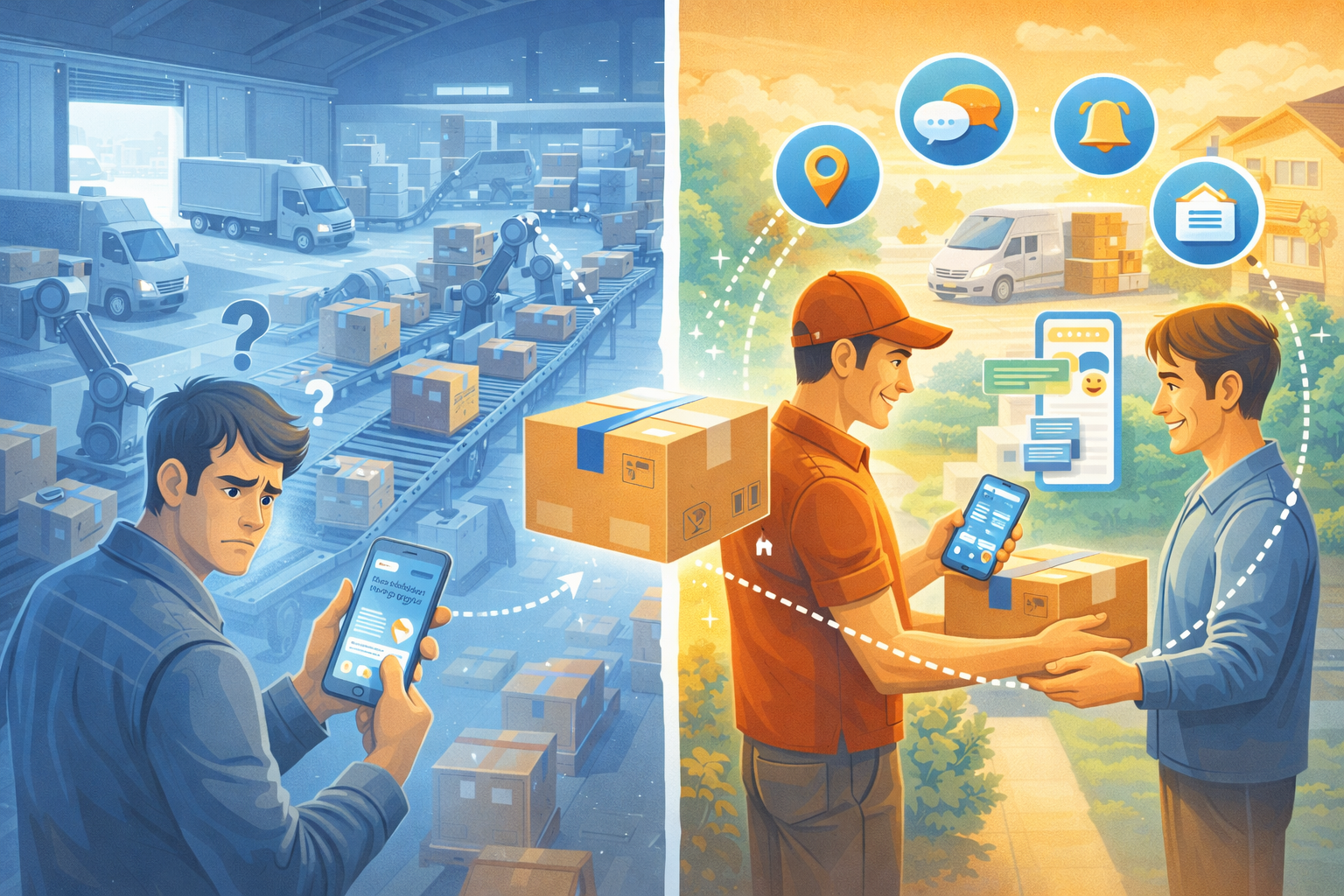
In today’s logistics: when human connection becomes a luxury
Digital commerce has grown rapidly, and with that growth come opportunities disguised as problems. Today I want to talk about a problem many brands still treat as operational, when in reality it has become commercial, reputational, and strategically decisive: the delivery experience after the purchase.
The customer (or you as a buyer) clicks, pays, and enters a waiting state, a kind of time limbo before receiving the product that was already paid for. That wait can last hours, days, or longer. The customer doesn’t know exactly where the package is. They don’t know with certainty when it will arrive. They don’t know who to ask.
This is the point many companies still fail to fully understand: the product has been paid for, but psychologically it still does not feel like it belongs to the customer.
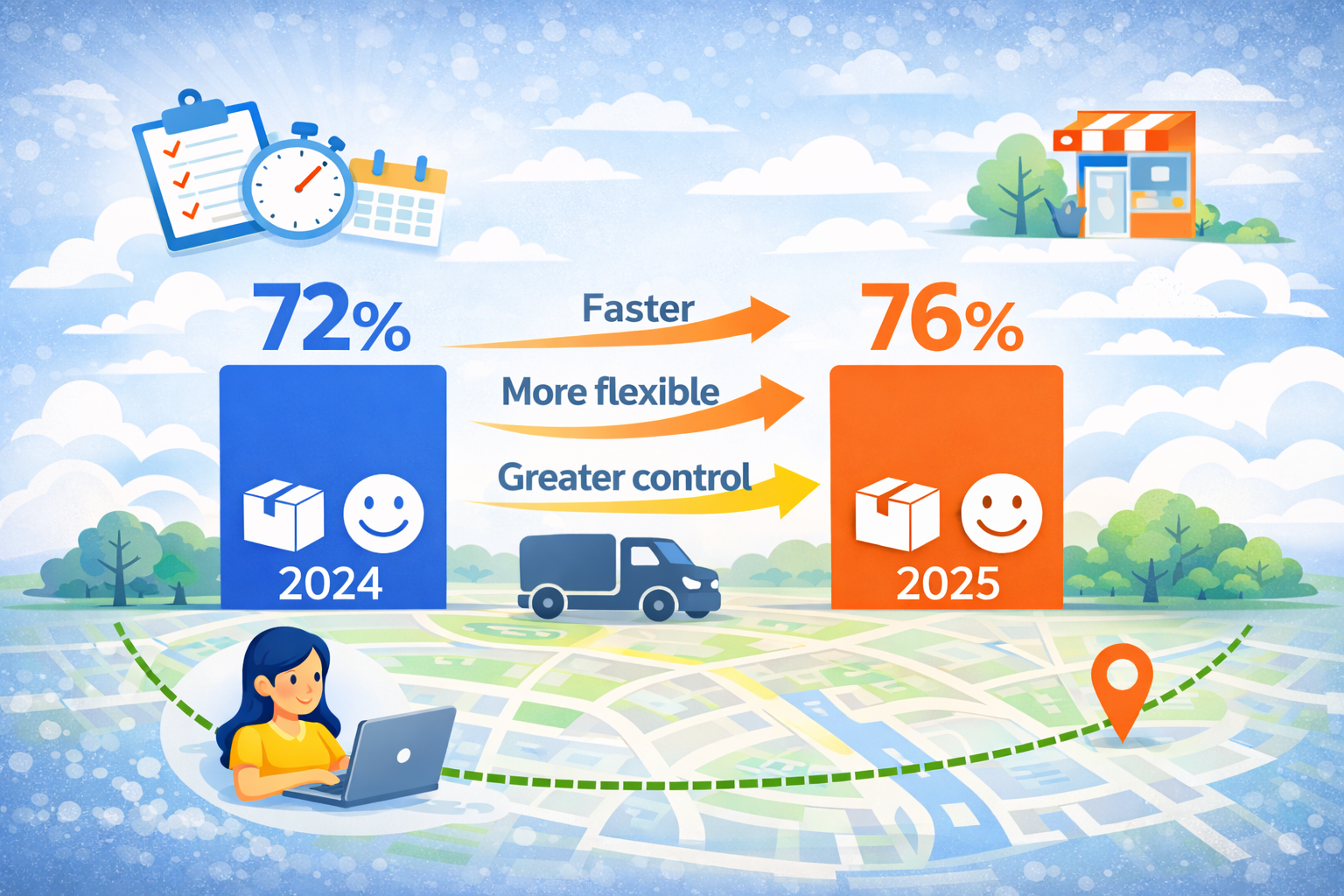
The evidence is moving in only one direction. A recent article from Metapack states that consumers expect faster deliveries, more flexibility, and greater control. The same logic appears in Sifted, which reported that in 2025, 76% of shoppers said a positive delivery experience influenced their decision to buy again, compared to 72% in 2024. In other words, delivery now directly influences repurchase.
That forces us to say something very clearly: if you still treat post-purchase delivery as an operational cost separate from marketing, you will fall behind. Because today logistics has already entered the territory of branding, retention, and customer loyalty.
The gap no one designed, but everyone created
Over the past twenty years, much of the logistics industry optimized itself for volume.
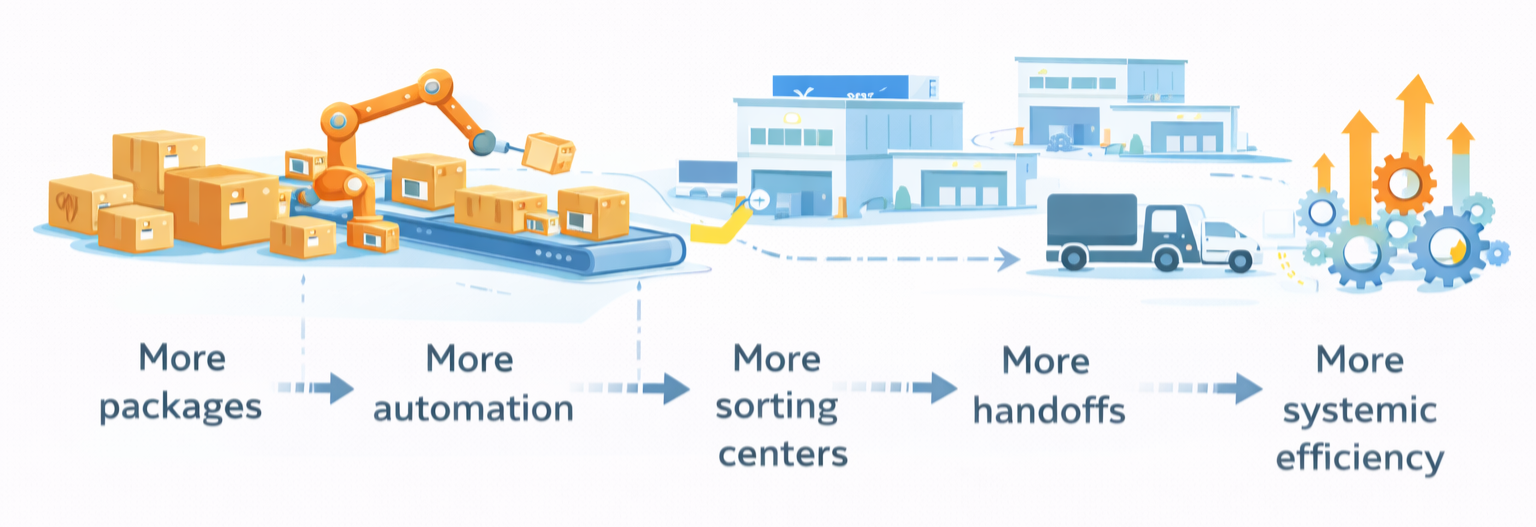
But that optimization came at a cost:
the disappearance of the direct relationship between the brand, the delivery process, and the final customer.
Packages move from point to point, from scan to scan, from system to system. The consumer sees fragments of information but not the process itself. And when people cannot see the process, they do not feel control. That deteriorates the experience.
Retail and logistics industry analyses consistently highlight one idea: the post-purchase experience has become an extension of the brand experience. Retail Customer Experience even argues that post-purchase tracking creates a direct relationship with the customer through branded tracking and personalization, not just through acquisition campaigns.
Put simply: The purchase does not end when someone pays. It ends when they receive what they bought — and receive it well.
Last-mile delivery is brand perception
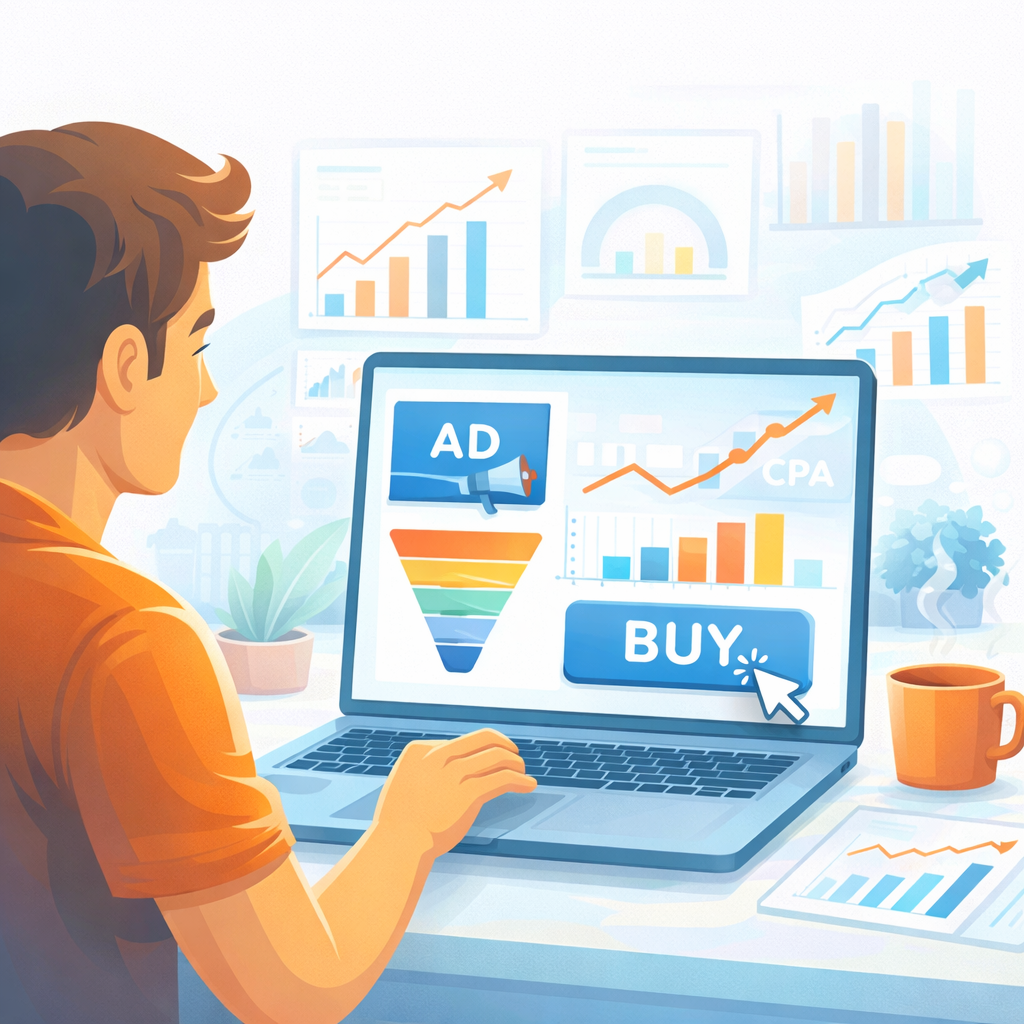
Many marketing teams remain obsessed with the perfect ad, the perfect funnel, and the lowest possible CPA. I do too. But I realized that an increasing part of the repurchase decision happens after the click. Sifted says it clearly: delivery performance can strengthen or destroy the customer relationship, directly affecting loyalty and brand perception.
Metapack, meanwhile, emphasizes that consumers expect more control and flexibility in the delivery experience. That means delivery is no longer just “fulfillment.”
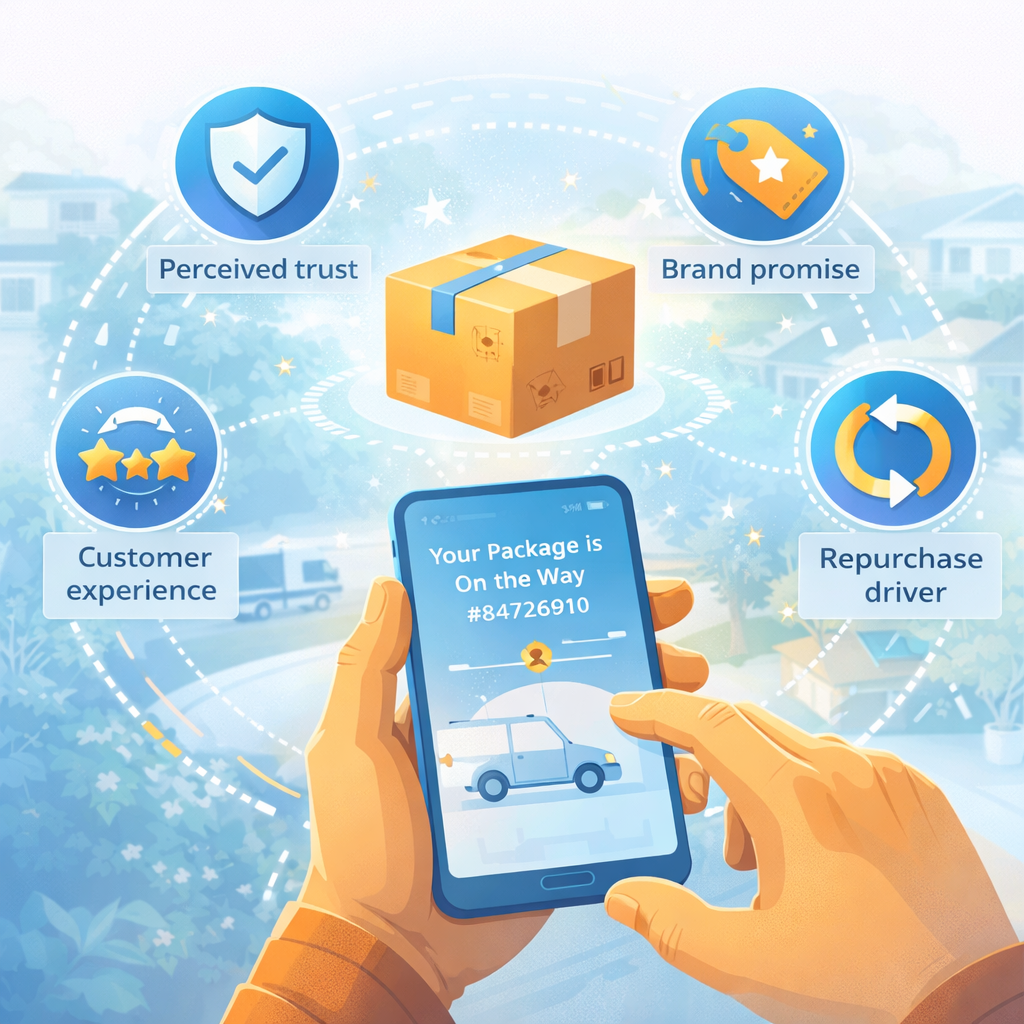
It is now also:
• Customer experience
• Brand promise
• Perceived trust
• A repurchase driver
That is why it is increasingly accurate to say that post-purchase delivery is now part of a company’s marketing process. And those who still do not understand that are already behind.
When human connection becomes premium
Here is where the most interesting shift appears. In a world where logistics has become automated, distant, and impersonal, direct communication with the person carrying your package begins to feel like a premium experience. Because almost nobody can truly offer it.
Modern customers do not only want speed. They also want visibility, clear updates, and a sense of control. Metapack specifically highlights that demand for greater control. Dropoff, in its analysis of last-mile trends and challenges, stresses that real-time visibility and in-transit issue resolution are critical parts of the customer experience. When a person knows who is transporting their order, can communicate with them, and receives real updates, the delivery no longer feels industrial. It feels human again. And when the experience becomes human, trust increases. That is why human connection is no longer a minor detail. It is becoming a premium competitive differentiator.
Customers want more. The problem is infrastructure.
The modern customer wants more visibility, more control, and more certainty about what they already paid for.
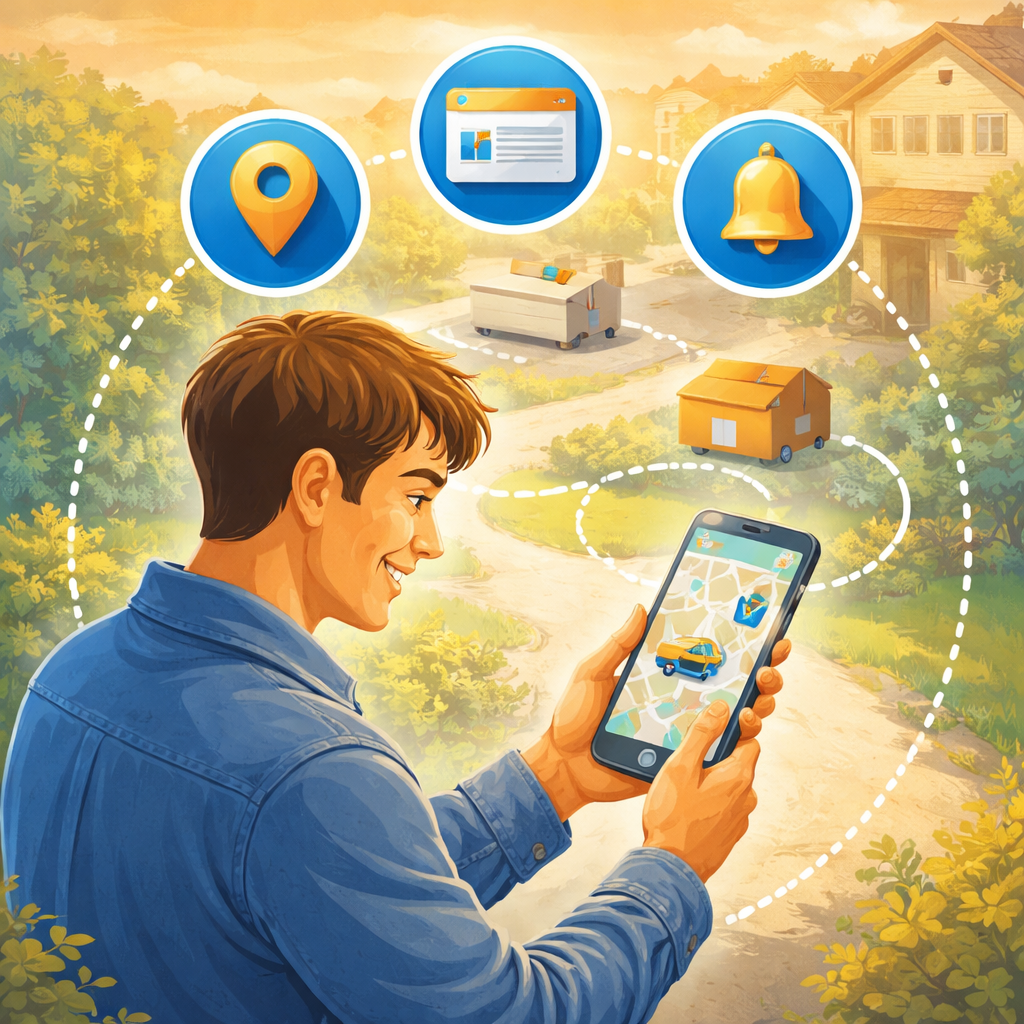
They want to know where their package is.
They want to understand what is happening along the journey.
They want to feel that their purchase is under control from the moment they click “Buy.”
Almost as if they had picked the product directly from a store shelf.
The problem is that traditional logistics infrastructure was never designed to offer that experience.
It was designed to move volume.
To process millions of packages.
To optimize routes.
To scale operations.
But it was not designed to provide human visibility, direct communication, and a sense of control to the final customer.
As a result, many brands find themselves trapped in an operational dilemma.
They know the post-purchase experience affects repurchase.
They know delivery influences brand perception.
They know customers want more control.
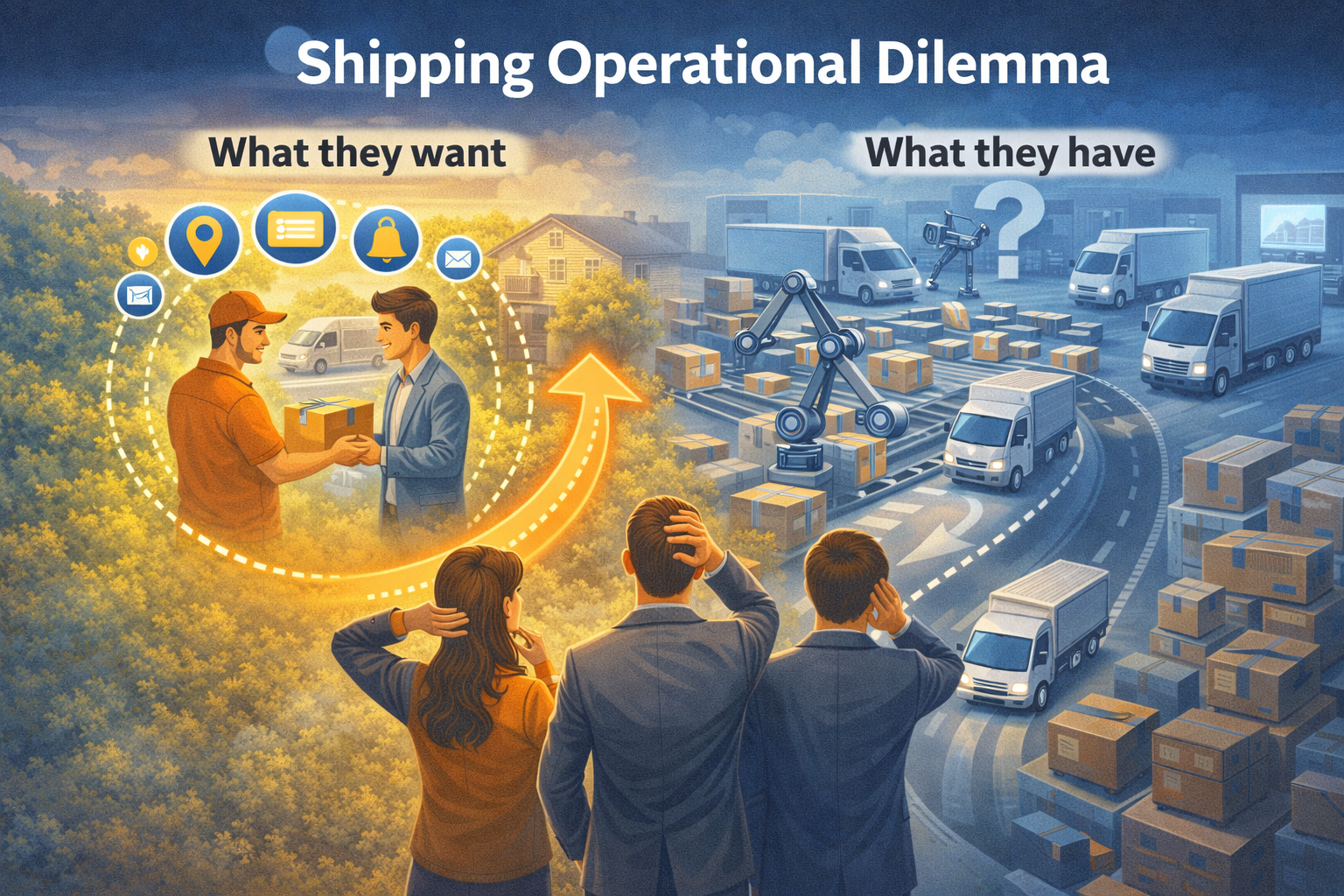
But they do not know how to offer it without completely restructuring their operations. And that is where a reality is emerging that more companies are beginning to understand: To meet the new expectations of customers, you need a non-traditional partner. One that can perform a critical function: transform delivery into an extension of the brand experience.
That means:
• Eliminating information gaps
• Reducing uncertainty
• Giving the customer a full sense of ownership
In a physical store, the process is simple:
• You buy something.
• You pay.
• You take it with you.
Ownership is immediate. In digital commerce, that feeling disappears for days. The customer pays, but the product disappears into a logistics chain they cannot see. A more human delivery model restores that feeling.
Where Jett Sender comes in
Jett Sender was created precisely to address the gap between what customers expect and what traditional infrastructure can deliver. It is a technological solution that connects urgent packages with verified travelers already moving between cities along scheduled routes.
This model enables something many brands want but few can achieve at the same time: City-to-city deliveries in 48 hours or less with fewer handoffs real-time tracking and direct communication between the sender and the traveler.
The principle behind all of this is simple, yet powerful:
fewer handoffs.
Fewer hands touching the package.
Fewer points where information gets lost.
Fewer moments of uncertainty for the customer.
That means greater visibility, greater traceability, and greater trust throughout the process. But the most important part is this: For the final customer, the package no longer feels lost inside a logistics chain. It feels like something that is on its way to them.
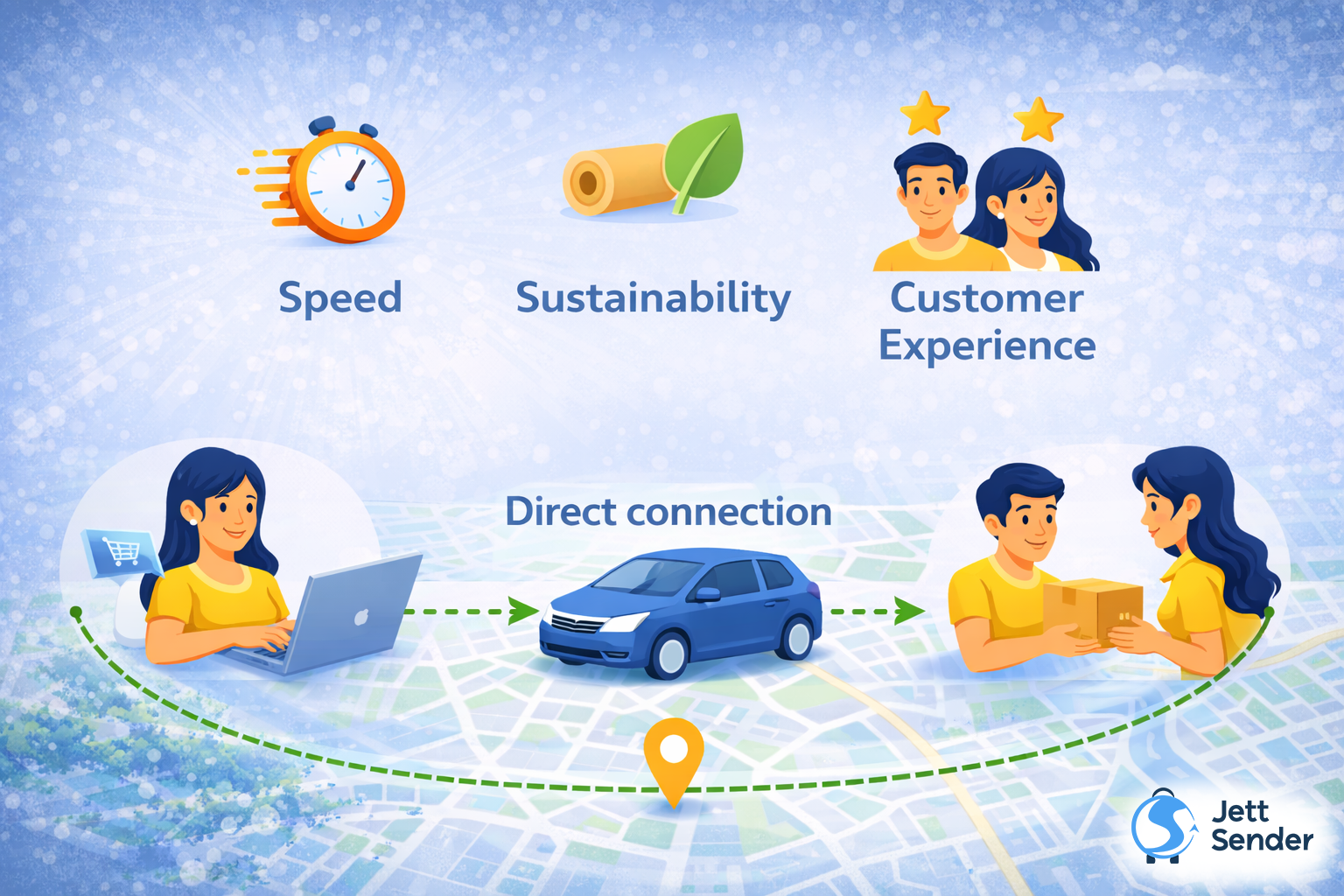
When logistics becomes part of the brand experience
For companies selling online, this completely changes how delivery should be viewed. Because the time between the purchase click and the delivery is one of the most sensitive moments in the entire customer journey. The brands that understand this will begin to see logistics as a differentiation tool. And in that new landscape, solutions like Jett Sender naturally find their place. Because they help customers feel that their purchase is in good hands from the very beginning.
Conclusion
Digital commerce will continue to grow. Customer expectations will grow as well. The difference between the brands that lead and those that compete only on price will increasingly lie in the experience they offer after the purchase.
And at that point, many companies will have to make a decision: Continue relying exclusively on infrastructures designed for volume, or incorporate new technological layers that allow them to deliver a more visible, more human, and more trustworthy delivery experience. Because in today’s logistics, human connection has become a luxury. And the companies that find a smart way to bring it back will be the ones building the next competitive advantage in digital commerce.
So the question remains:
Does your business already treat delivery as part of the brand experience —
or does it still see it as an operational cost separate from the customer?
